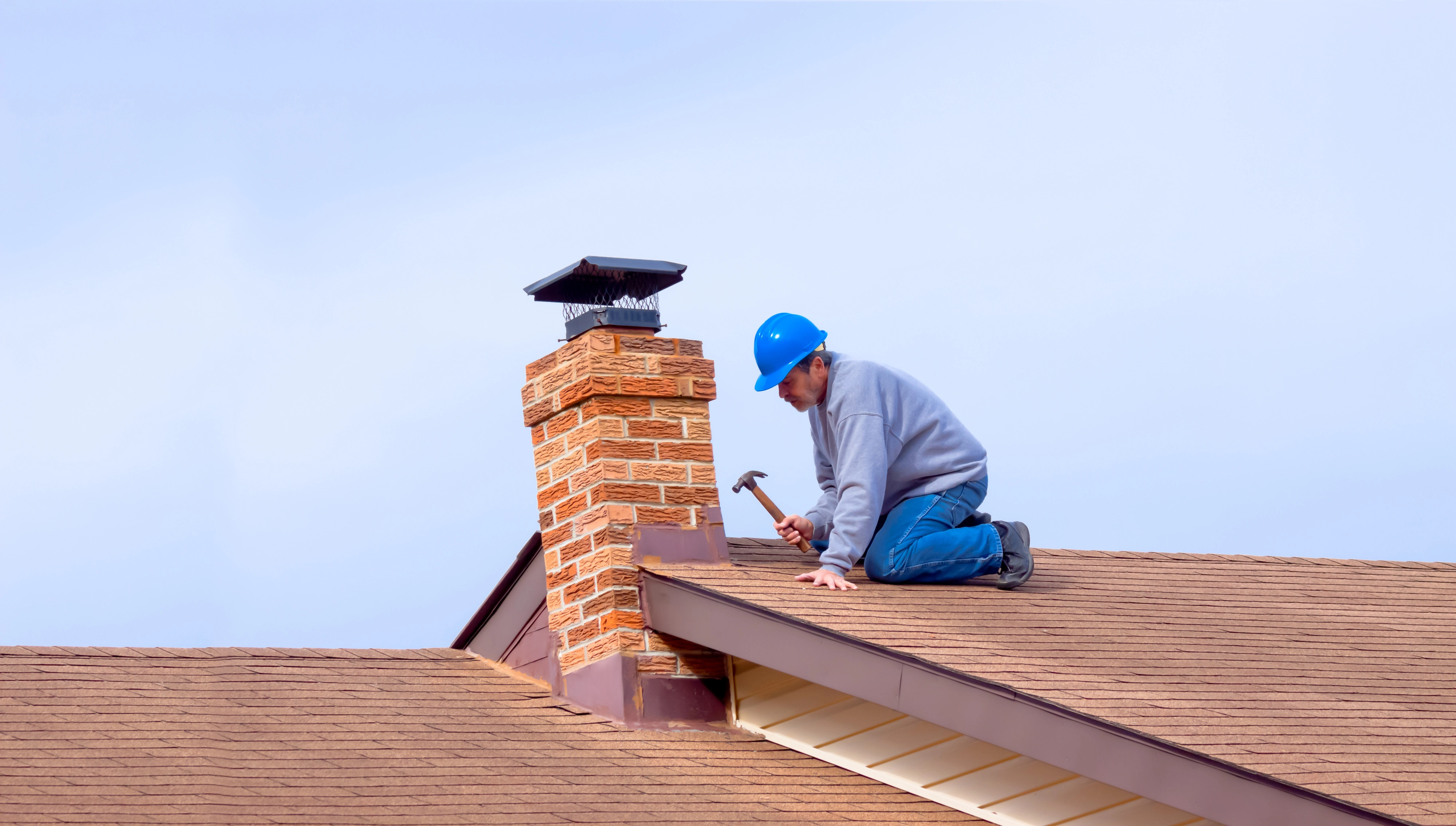
Professional Fireplace Safety Checks for Garland Homes
Chimney performance depends on a clear passage, sound materials, and protection from weather. In Garland, professionals within our network examine accessible chimney and fireplace components for soot deposits, creosote, cracks, gaps, moisture entry, loose materials, and obstructions. The review is shaped by humid storm periods, high winds, and occasional freezing weather, conditions that can affect both exterior masonry and the venting path.
Whether the visit is preventive or prompted by a specific concern, the goal is to explain what is functioning, what deserves monitoring, and what may require cleaning or repair. This approach is especially relevant for older brick houses, lakeside properties, and renovated suburban homes found around Firewheel, Duck Creek, and Lake Ray Hubbard.
Inspection Details That Matter in Garland
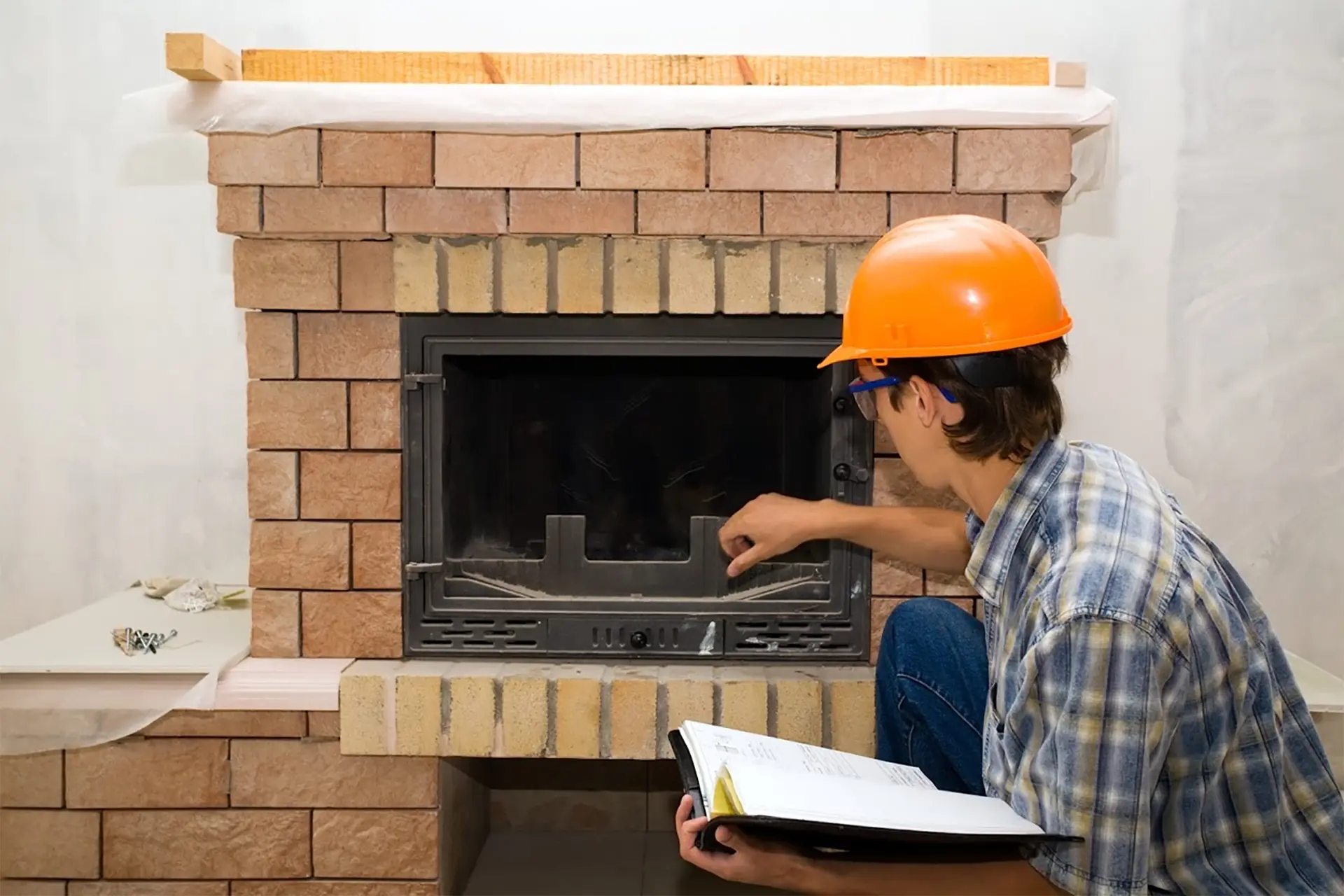
Professionals within our network look at how the fireplace and chimney work together in older brick houses, lakeside properties, and renovated suburban homes. Draft concerns, residue patterns, damaged joints, missing protection, and signs of water are documented in context, especially around Firewheel, Duck Creek, and Lake Ray Hubbard.
Clear guidance follows the inspection so owners near Firewheel, Duck Creek, and Lake Ray Hubbard can plan cleaning or repair without guessing. Even when no immediate defect is found, the visit establishes a useful baseline for aging masonry, flashing, and creosote control.
Garland Chimney Questions Explained
Why does creosote need professional attention for homes near Firewheel, Duck Creek, and Lake Ray Hubbard?
Creosote is combustible and can narrow the flue as deposits accumulate. Professional sweeping removes residue with suitable tools while helping reveal areas that need closer inspection.
Is an annual Garland chimney inspection useful if the fireplace is rarely used?
Yes. An unused chimney can still collect moisture, nesting material, leaves, or deteriorated debris. For homes in Garland, a periodic review confirms that the system has not changed while sitting idle.
What causes Garland chimney leaks around the roofline?
Leaks may begin at damaged flashing, porous mortar, a cracked crown, or an unprotected flue opening. Finding the entry point matters because interior stains can appear away from the original defect.
Can animals or nesting material block a flue for homes near Firewheel, Duck Creek, and Lake Ray Hubbard?
Yes. Birds, squirrels, and nesting material can restrict airflow or create odors. A properly fitted cap and periodic visual checks help reduce the chance of animal entry.
What is the best way to prepare for an appointment for homes near Firewheel, Duck Creek, and Lake Ray Hubbard?
Keep the fireplace area accessible, avoid lighting a fire beforehand, and note any recent symptoms. If possible, provide information about prior cleaning, repairs, or roof work.