
Chimney Condition Evaluations Throughout Grapevine
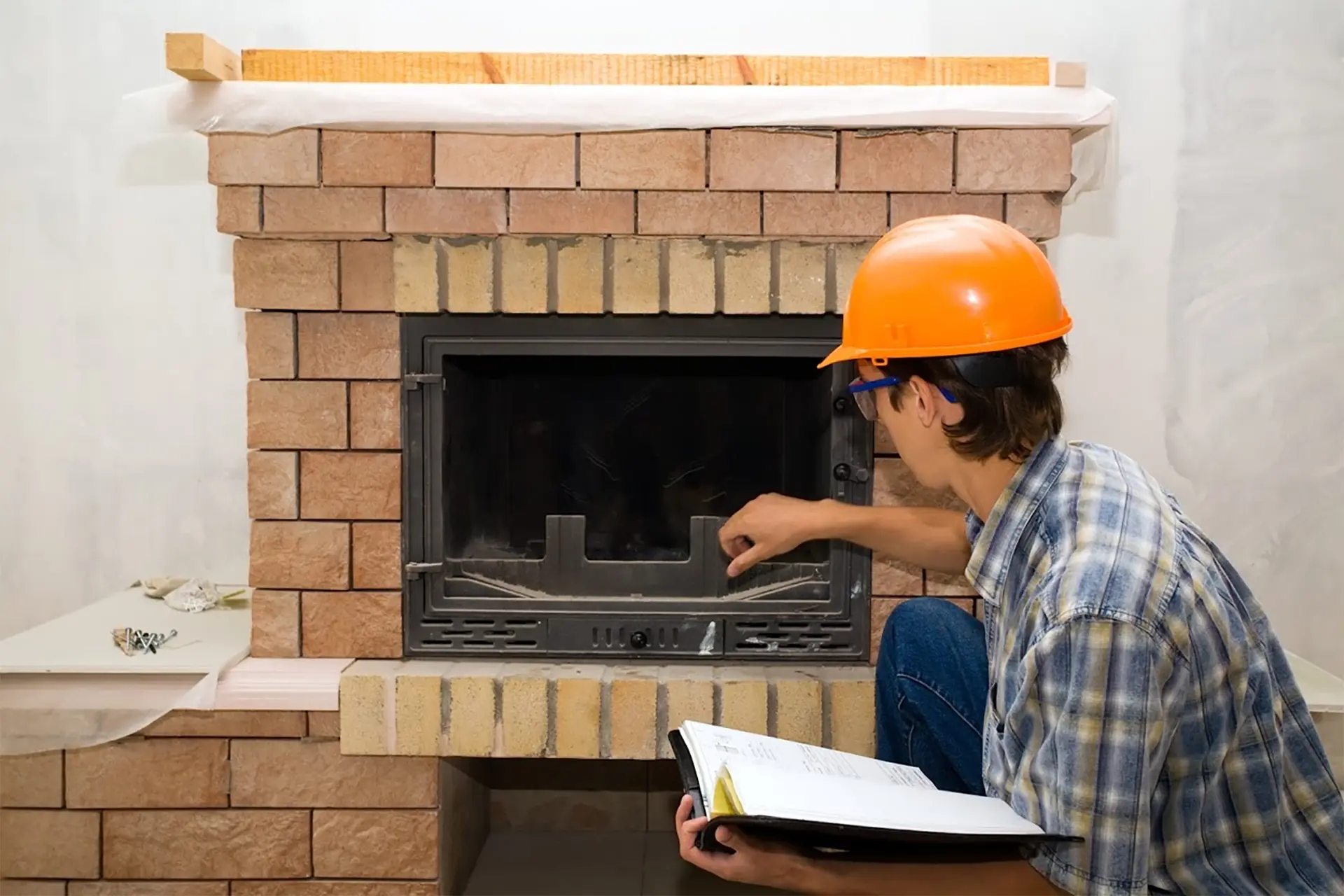
When a fireplace has sat unused, an inspection can confirm that weather, animals, or debris have not changed its condition. In Grapevine, professionals within our network examine accessible chimney and fireplace components for soot deposits, creosote, cracks, gaps, moisture entry, loose materials, and obstructions. The review is shaped by lake winds, humidity, hail, and storm-driven rain, conditions that can affect both exterior masonry and the venting path.
Inspection findings can help a homeowner decide whether sweeping, minor sealing, masonry work, or a more specialized evaluation should come next. Service across Grapevine is adapted to historic cottages, lakeside homes, and newer residential communities and emphasizes moisture intrusion and chimney exterior condition.
Chimney Maintenance Guidance for Grapevine
A useful chimney report for Grapevine connects interior surfaces with the weather-exposed components above the roof. Because local systems face lake winds, humidity, hail, and storm-driven rain, that broader view helps separate ordinary upkeep from defects that could worsen with use.
Findings for Grapevine properties are explained in plain language. This makes it easier to schedule the right work, compare repair options, and account for the way lake winds, humidity, hail, and storm-driven rain may influence future deterioration.
What Grapevine Homeowners Often Ask
How does local weather affect Grapevine chimney masonry?
The combination of lake winds, humidity, hail, and storm-driven rain can open mortar joints, stress crowns, and allow water into small cracks. Regular exterior review helps catch deterioration before larger sections loosen.
What are common signs of a damaged Grapevine chimney liner?
Possible clues include fallen tile fragments, smoke leakage, unusual odors, or visible gaps. Many liner concerns require a closer internal view because they cannot be confirmed from the hearth alone.
Do gas fireplaces also need Grapevine chimney or vent inspections?
Yes. Gas systems still need a clear, properly configured vent path. Debris, corrosion, disconnected components, or moisture can affect safe exhaust even when the appliance burns cleanly.
When is sweeping recommended after an inspection for homes near Historic Main Street, Silver Lake, and Grapevine Lake?
Sweeping is recommended when deposits, soot, or debris are sufficient to restrict inspection or safe use. The appropriate timing depends on fuel, usage, and observed buildup rather than the calendar alone.
Can repairs be prioritized instead of completed all at once for homes near Historic Main Street, Silver Lake, and Grapevine Lake?
Often, yes. Findings can be grouped by safety priority, moisture risk, and long-term durability so owners can address urgent work first and plan less immediate improvements.