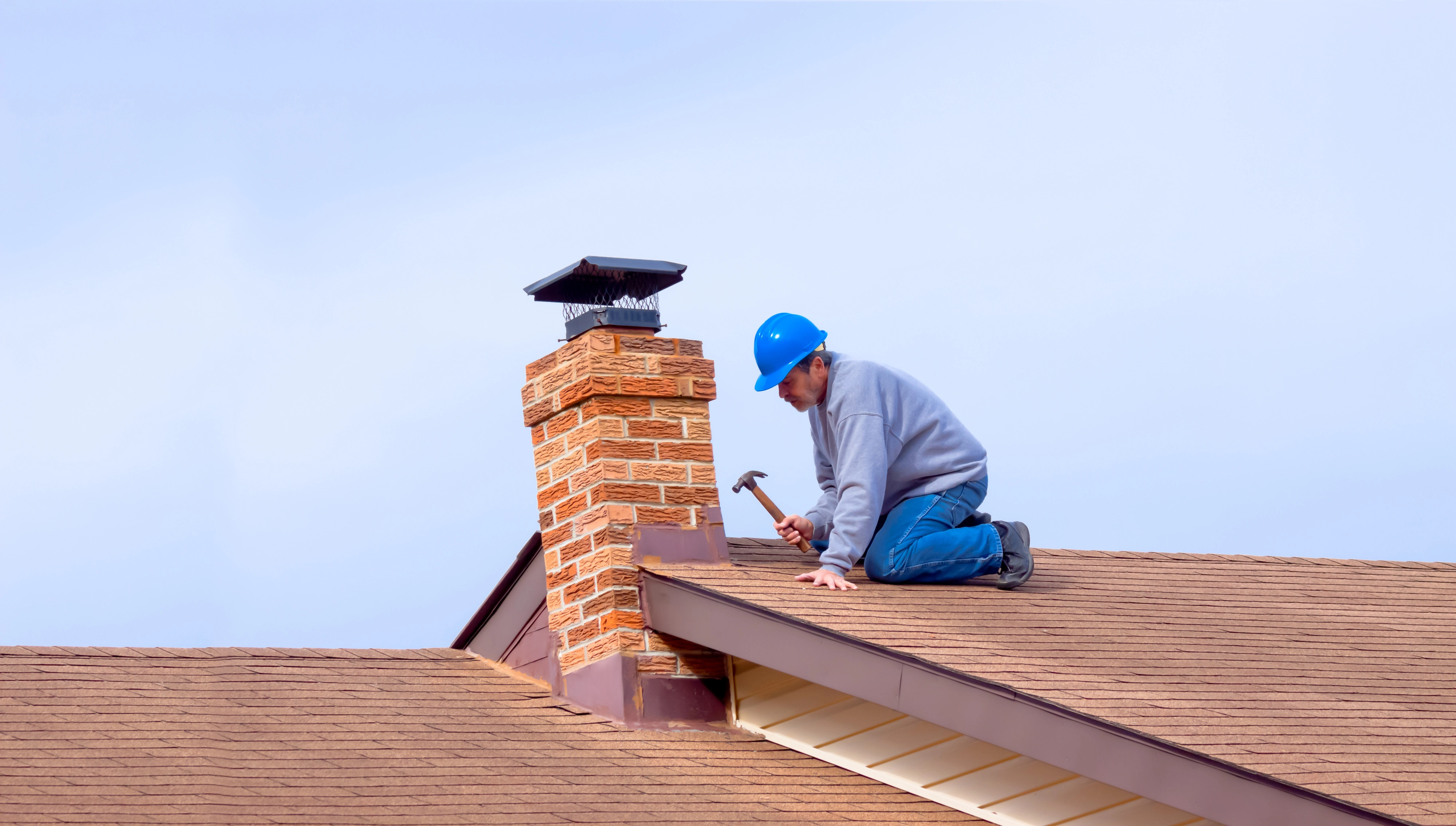
Local Chimney Inspection Support in Highland Park
Detailed chimney service helps separate routine upkeep from repairs that should not be postponed. In Highland Park, professionals within our network examine accessible chimney and fireplace components for soot deposits, creosote, cracks, gaps, moisture entry, loose materials, and obstructions. The review is shaped by mature-tree debris, hail, and moisture around older masonry, conditions that can affect both exterior masonry and the venting path.
A clear assessment is valuable before buying a home, returning a fireplace to use, or planning repairs. In neighborhoods such as Lakeside Park, Highland Park Village, and Turtle Creek, chimney age and construction vary, so recommendations are based on the observed system rather than a one-size-fits-all checklist.
Professional Chimney Review for Highland Park Residences
The Highland Park evaluation considers combustion-related buildup and structural exposure at the same time. Restricted airflow is reviewed alongside deterioration associated with mature-tree debris, hail, and moisture around older masonry, including movement in nearby materials.
The final discussion for Highland Park homeowners centers on practical decisions: fireplace readiness, cleaning needs, and which structural or weather-related items deserve attention first in historic estates, architect-designed residences, and carefully renovated homes.
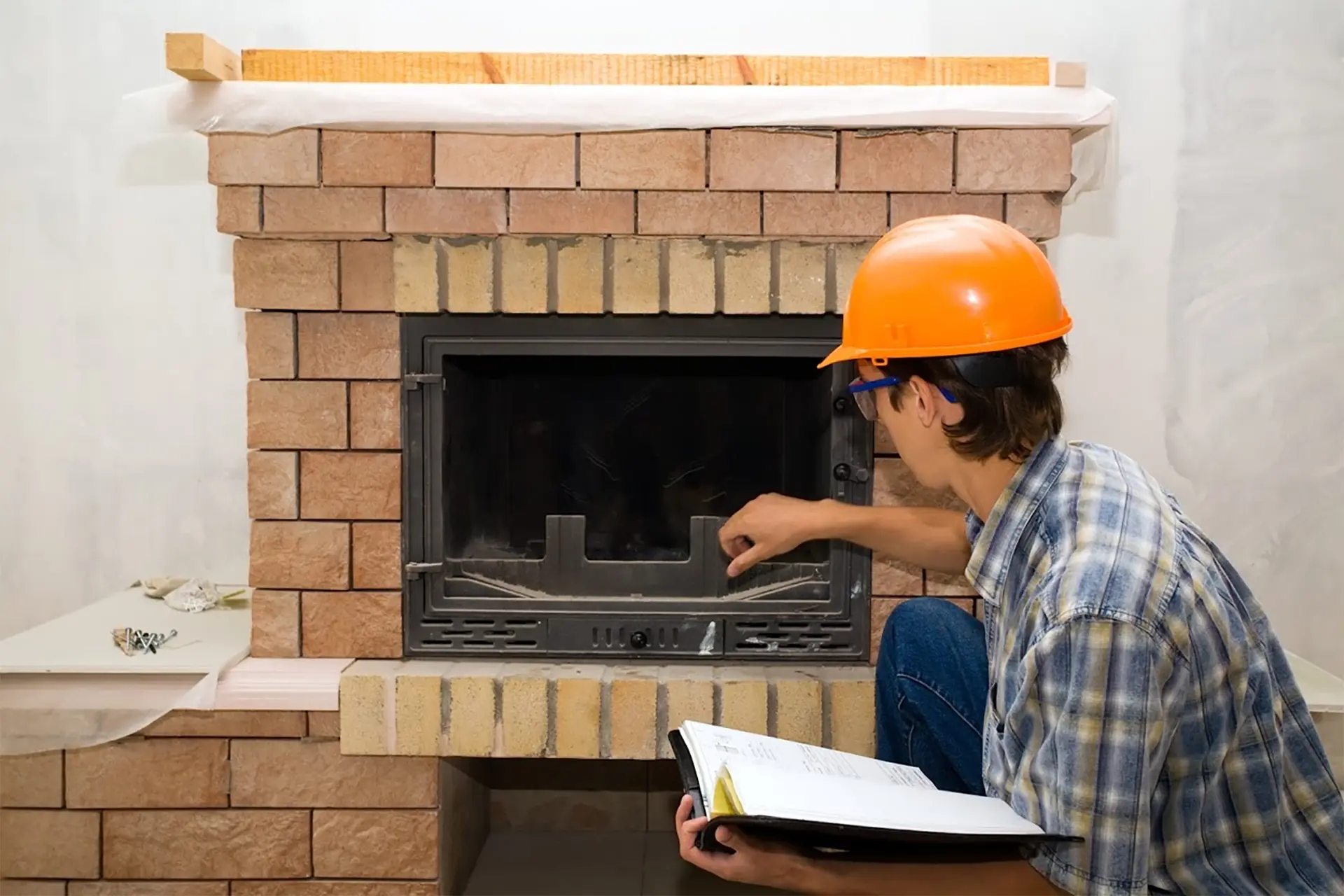
Chimney Care Questions from Highland Park
Why can fireplace odors become stronger during warm weather for homes near Lakeside Park, Highland Park Village, and Turtle Creek?
Warm, humid conditions can create reverse airflow that carries soot or creosote odors into the house. Moisture, debris, and negative indoor pressure may also contribute.
How are Highland Park chimney crowns and caps evaluated?
The review looks for cracking, poor slope, missing sections, loose caps, corrosion, and openings that admit rain or animals. These top components are a chimney's first defense against weather.
What should a home buyer know about the fireplace system for homes near Lakeside Park, Highland Park Village, and Turtle Creek?
A buyer should understand whether the system is clean, intact, properly vented, and suitable for use. A fireplace can be visually attractive while still needing maintenance or repair above the firebox.
Does a visual inspection include the firebox and damper for homes near Lakeside Park, Highland Park Village, and Turtle Creek?
Accessible firebox surfaces and the damper are normally considered because cracks, rust, missing mortar, and movement can affect the overall system. Scope can vary with access and chimney design.
How soon should I act on a water stain near the Highland Park chimney?
Treat new staining as a prompt concern. Water can damage masonry, metal components, ceilings, and nearby framing, so early investigation is usually less disruptive than waiting for the stain to spread.